
About ALI
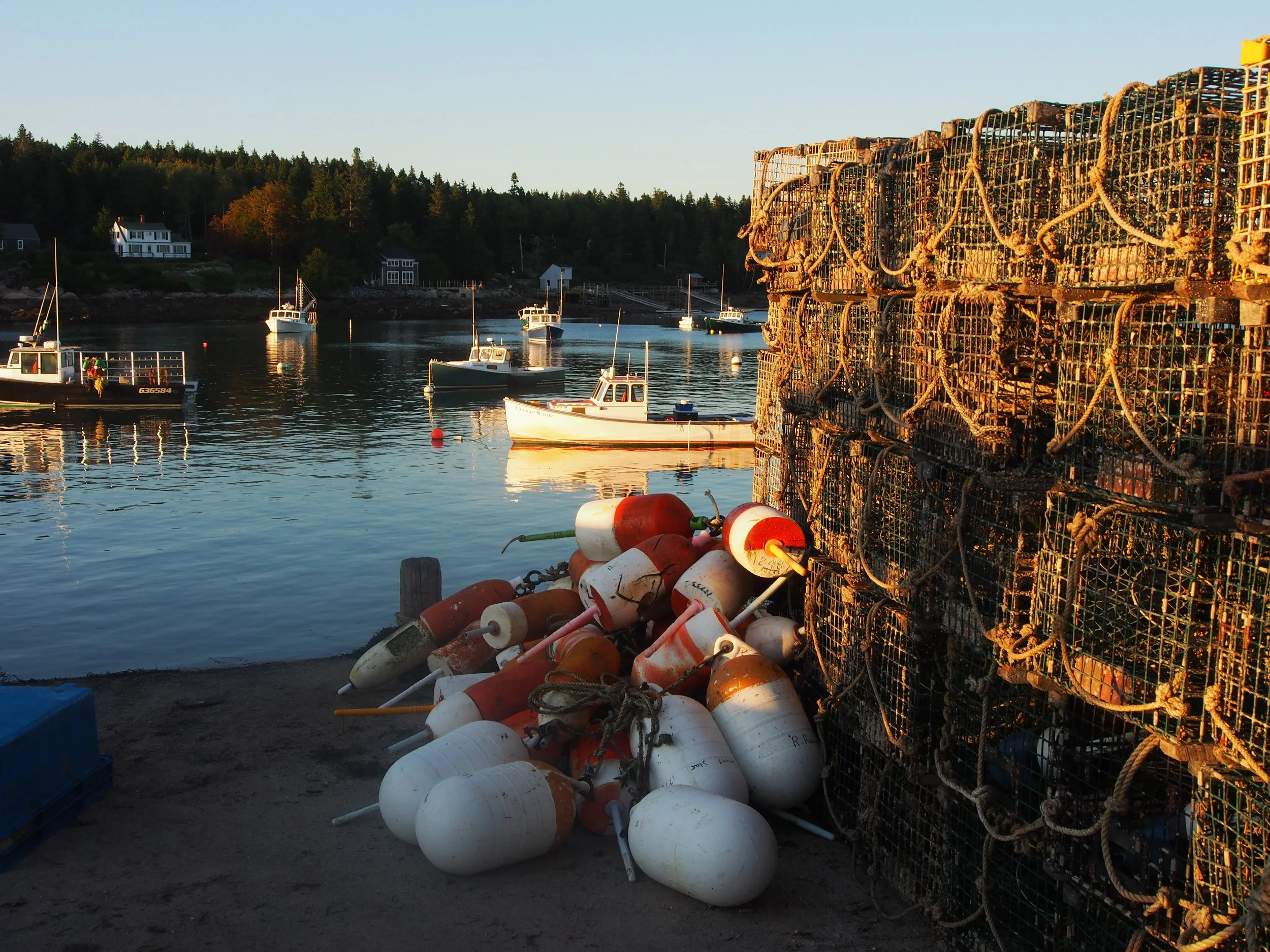
The American lobster fishery is an economic driver and a cultural cornerstone of coastal communities across the Northeast. To help the lobster industry navigate increasing environmental changes, a regional framework was built to bridge the gap between scientific research and what fishermen are experiencing on the water.
The Sea Grant American Lobster Initiative (ALI) was officially launched in 2018 by the National Oceanic and Atmospheric Administration’s (NOAA) National Sea Grant College Program (Sea Grant) following a series of discussions by researchers and resource managers around the need to develop a lobster-specific research program. The ALI was modeled after the Lobster Research Collaborative, a program by the Maine Department of Marine Resources then brought to fruition through congressionally directed spending funds appropriated to Sea Grant. The brand new American Lobster Initiative was conceived to address critical knowledge gaps regarding the American lobster and its iconic fishery in the face of rapid physical, chemical, and socioeconomic ecosystem changes in the Gulf of Maine, Georges Bank, and southern New England.
From its inception, the ALI recognized that solving complex ecological challenges required a dual approach: funding rigorous science while building a regional communication pipeline to share those findings directly with the fishing community. To achieve this, the ALI was structured into two coordinated, complementary tracks:
The Sea Grant American Lobster Research Program (SGALRP): A competitive funding track explicitly targeting critical research gaps.
The Northeast Regional Lobster Extension Program (RLEP): A regionally coordinated network designed to ensure that findings from the research program translate into tangible benefits for the industry.
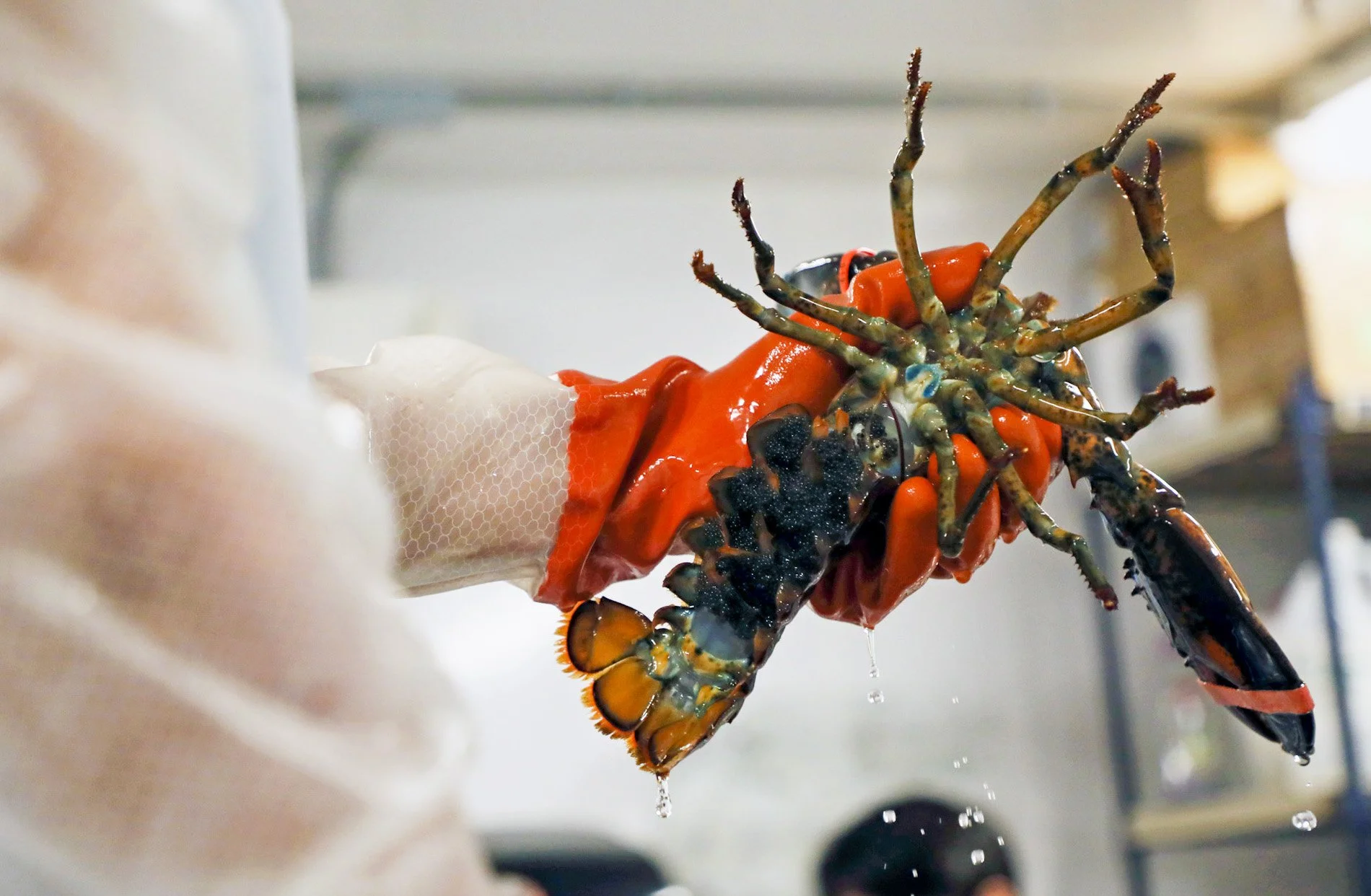
Since rolling out its first competitive funding cycles in 2019, the SGALRP has funded 39 distinct research projects. These studies have deeply explored how shifting ocean variables—such as temperature regimes and circulation patterns—alter lobster life cycles, migration paths, and food web interactions.
Simultaneously, the RLEP continues to work with commercial harvesters, dealers, processors, supply-chain shore supports, and marine resource managers from Maine to New York, focusing on contextualizing ALI research projects into actionable information for partners across the entire Northeast region.
Today, the American Lobster Initiative enters a new phase that strives to bring research and outreach even closer together. Building directly upon the extensive regional relationships and data gathered over the last several years, the initiative's current focus highlights the importance of industry-driven, collaborative research. This framework prioritizes the co-creation of knowledge while aiming to deliver the "actionable science" necessary to preserve stock sustainability and ensure the long-term economic resilience of our coastal communities.